Starting to write letters is easy. You need something to write on, something to write with and an envelope. But anyone who has stood in front of a shelf of notepaper, or scrolled through endless stationery sets online, knows how quickly a simple plan can turn into a long shopping list.
This guide sorts the stationery for letter writing into what you really need, what makes writing more enjoyable and what you can happily skip. It is meant for anyone who wants to send more post, whether you are writing to a pen pal, to friends far away or to family who would love to find something other than bills in their letterbox. If you are completely new to the topic, my introduction to what snail mail is is a good place to begin.
This post contains affiliate links. As an Amazon Associate, I earn from qualifying purchases at no additional cost to you.
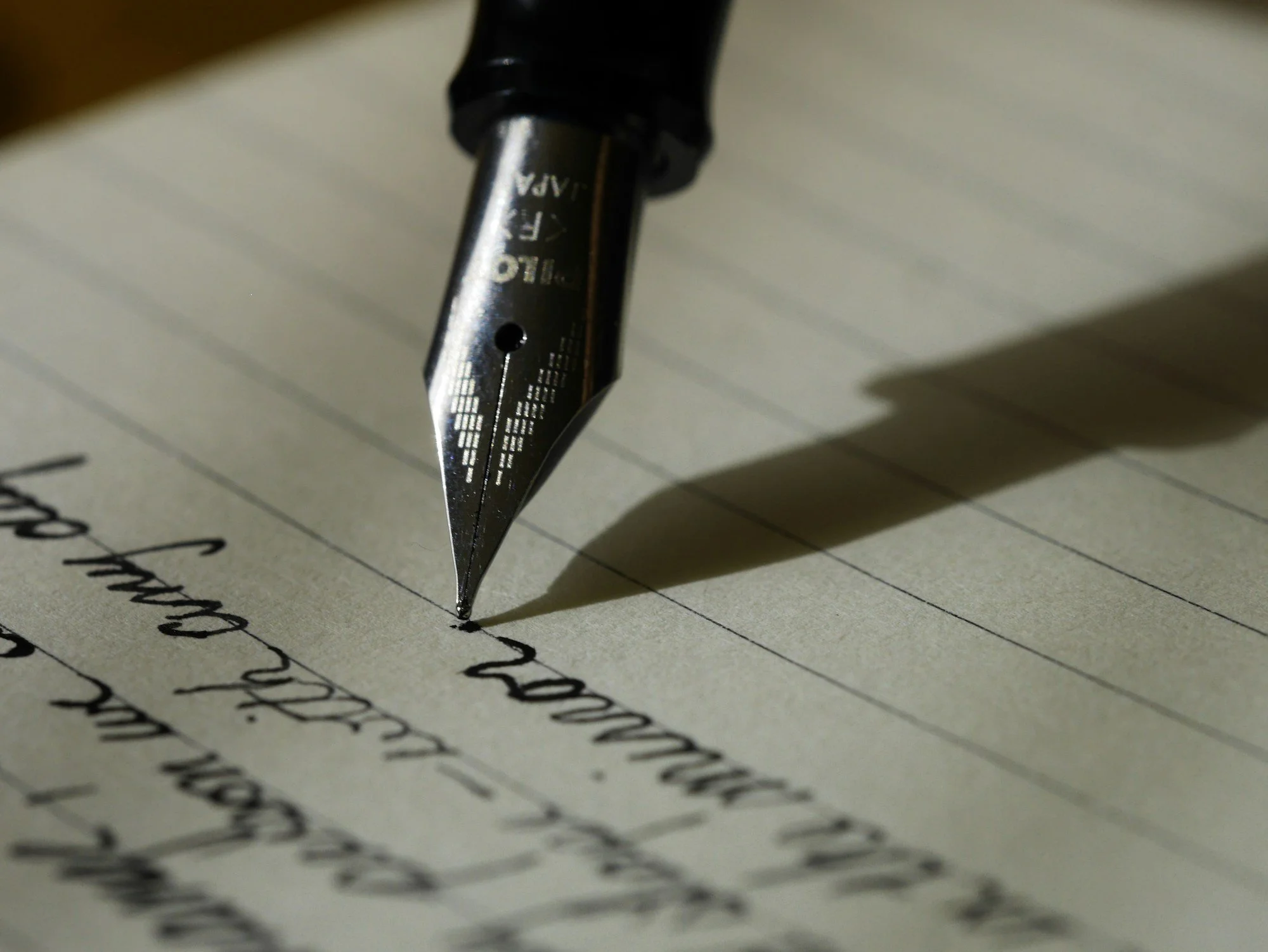
The short version: what you need to start
If you only want the basics, this is the list. Everything else in this article makes letter writing more comfortable or more beautiful, but none of it is required for your first letter.
Your first letter-writing kit
- Writing paper that you like to look at
- Envelopes that fit the paper
- A pen that writes smoothly
- Stamps for the countries you write to
- A place to keep addresses
1. Writing paper and envelopes
Paper is where most people start, and it is also where most of the choice lies. A few things are worth knowing before you buy.
Weight matters. Paper weight is given in grams per square metre (gsm). Thin printer paper is usually around 80 gsm. For letters, something a bit heavier feels nicer in the hand and is less likely to show your writing through the back. If you use a fountain pen, heavier and smoother paper also helps prevent ink from bleeding.
Lined or plain. Lined paper keeps your writing straight, which helps if you write longer letters. Plain paper leaves more room for drawings, stickers or a pressed flower. Some people place a lined sheet underneath plain paper as a guide.
Matching sets save time. A set of paper and matching envelopes means you never have to search for an envelope that fits. For beginners, this is the easiest option.
Kraft and textured paper give a letter a warm, handmade look. They work well for writers who like a vintage style, though very rough paper can be harder to write on with fine pens.
Envelopes are easy to overlook, but they are the first thing the recipient sees. A plain white envelope is always fine. If you would like to give yours more character, my list of snail mail ideas has plenty of suggestions for small extras and details.
Paper and envelopes
Vintage Stationery Set with 24 Writing Papers and 12 Envelopes
Lined kraft paper in six vintage designs with matching envelopes, stickers, twine and small metal key charms. A complete set for your first letters.
View on Amazon(affiliate link)Matching Letter Paper and Envelopes Set
Writing paper with envelopes in the same design, so every letter looks finished without extra effort.
View on Amazon(affiliate link)Classic White Letter Set
A timeless choice for letters that should look clean and simple, and for anyone who likes to decorate their own pages.
View on Amazon(affiliate link)Handmade Textured Paper
Paper with a visible texture for special letters, such as a birthday letter or a letter you want someone to keep.
View on Amazon(affiliate link)
2. A pen you enjoy writing with
The pen has more influence on your letter writing than most people expect. A pen that scratches, skips or smudges makes writing feel like work. A pen that glides over the paper makes you want to keep going. There is no single right choice, so here is an overview of the main options.
Fountain pens
Fountain pens have a reputation for being complicated, but modern beginner models are easy to use. You insert an ink cartridge and start writing. The ink flows with hardly any pressure, which makes longer letters more comfortable for your hand. Two models are often recommended for beginners: the Lamy Safari, with its triangular grip that guides your fingers, and the Pilot Metropolitan, which has a smooth nib and a classic metal body. Both are reliable and not expensive for what they offer.
One thing to keep in mind is that fountain pen ink can bleed on thin or very absorbent paper. If you plan to write with one, test your paper first or choose paper that is described as suitable for fountain pens.
Gel pens
Gel pens write smoothly and come in many colours. They are a good everyday choice and work on most types of paper. The ink can take a moment to dry, so left-handed writers in particular should give each line a second before moving their hand across it.
Fineliners
Fineliners are ideal for neat handwriting, small drawings and addresses. Pigment ink fineliners such as the Sakura Pigma Micron are waterproof once dry, which is useful for envelopes that might get wet on their way through the post.
Pens for letter writing
Lamy Safari Fountain Pen
A popular beginner fountain pen with a triangular grip and a sturdy body. Writes with hardly any pressure.
View on Amazon(affiliate link)Pilot Metropolitan Fountain Pen
A classic fountain pen with a metal body and a smooth nib, often recommended as a first fountain pen.
View on Amazon(affiliate link)Sakura Pigma Micron Fineliner Set, 8 Pens
Fine pigment ink pens in different line widths for addresses, small drawings and neat handwriting.
View on Amazon(affiliate link)Everyday Gel Pens
Smooth gel pens for daily letters, notes and journaling.
View on Amazon(affiliate link)
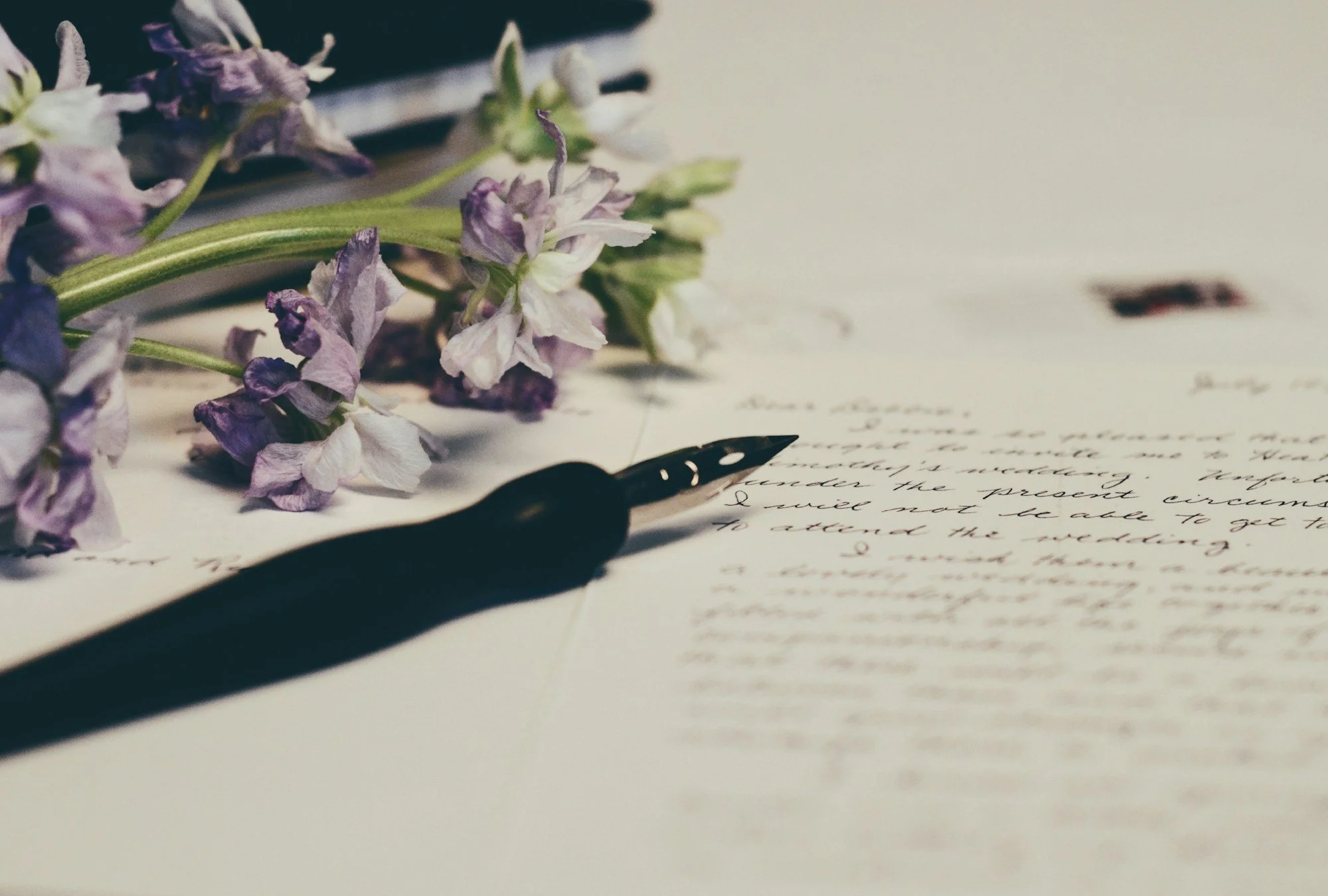
3. Postcards for shorter notes
Not every piece of post has to be a long letter. Postcards are perfect for a quick hello, a thank you or a note when you don't have time to fill several pages. Keeping a small stack at home lowers the barrier to sending something. When you think of someone, you can write three sentences and send it on the same day.
Postcards are also a good way to start if a whole letter feels like too much. Many people who now write long letters began with a postcard to a friend.
For quick notes
Vintage Postcards, 64 Pieces
A large set of postcards with vintage motifs, enough for months of short notes and greetings.
View on Amazon(affiliate link)
4. An address book
Most of us keep addresses on our phones, if we keep them at all. A paper address book has a few advantages for letter writers. You have all addresses in one place at your writing desk, you don't need to unlock your phone in the middle of writing an envelope, and you can add birthdays or notes next to each name. It is also a lovely object in itself, especially if you write to many people.
When you add an address, check it carefully with the person. A missing house number or a wrong postcode can be enough for a letter to never arrive.
For your addresses
The Little Pink Book of Addresses
A compact address book in pink with space for names, addresses and phone numbers, small enough for any desk drawer.
View on Amazon(affiliate link)
5. A return address stamp
Writing your own address on the back of every envelope is one of the more repetitive parts of letter writing. A return address stamp solves this. You order it once with your name and address, and from then on one press is enough. It is especially practical if you send a lot of post, for example to several pen pals.
A return address is useful for another reason too: if a letter cannot be delivered, the post office can return it to you.
For the back of the envelope
Custom Return Address Stamp, Self-Inking
A pre-inked stamp that you personalise with your own address, with a choice of styles, ink colours and designs.
View on Amazon(affiliate link)
6. A letter opener
Letter writing also means receiving letters, and opening them carefully is part of the joy. Tearing an envelope with your fingers often damages the envelope or even the letter inside. A letter opener gives you a clean cut along the top edge, and the envelope stays intact if you want to keep it.
There are two main types. A classic metal letter opener looks like a small paper knife and is a beautiful desk object. A modern opener with a concealed blade is safer, lighter and very quick to use, which makes it practical if you open a lot of post or have children at home.
For opening your post
Antiqued Metal Letter Opener
A vintage-style paper knife in solid metal with a decorative handle, about 7 inches long.
View on Amazon(affiliate link)Letter Openers with Concealed Blades, 6 Pieces
Lightweight openers with a hidden blade and an ergonomic grip, a safe and quick option for everyday post.
View on Amazon(affiliate link)
7. A pen case and a place for everything
Stationery has a way of spreading across the whole home. A pen in the kitchen, stamps in a drawer, the good writing paper somewhere on a shelf. When everything is in one place, it becomes much easier to sit down and write.
A pen case keeps your favourite pens together and protects fountain pens on the go.
A box or folder for paper and envelopes keeps them flat and clean.
A small tin or envelope for stamps means you always know how many you have left.
A tray for incoming letters helps you see which letters are still waiting for an answer.
You don't need a dedicated writing desk for this. A box that you can take to the kitchen table or the sofa is enough.
For keeping your pens together
Genuine Leather Pen Case
An embossed leather pen case with a small handle and room for pens, pencils, fineliners and small tools.
View on Amazon(affiliate link)
Nice to have: extras for decorating your post
Once you have the basics, there is a whole world of decorative extras. None of them are necessary, but they add personality to your post and can be a lot of fun.
Washi tape for decorating envelopes, sealing flaps or adding a border to your writing paper.
Stickers for small details on the envelope or next to your signature. Postage stamp stickers are a popular choice for a vintage look. Keep in mind that they are decorative and do not replace real postage.
A wax seal kit for special letters, such as birthday or holiday post. A wax seal looks beautiful on the back of an envelope.
Not every postal service handles decorated envelopes in the same way. Keep the front of the envelope clear around the address and the stamp, so that both can be read easily, and be careful with thick decorations that make the letter heavier or bulkier than a standard letter.
Decorative extras
Washi Tape Set
Decorative tape in coordinated designs for envelopes, letters and journals.
View on Amazon(affiliate link)Vintage Postage Stamp Stickers, 600 Pieces
Stickers in the style of old postage stamps for decorating envelopes and letters.
View on Amazon(affiliate link)Wax Seal Kit
A complete kit with a seal stamp and wax for special letters.
View on Amazon(affiliate link)
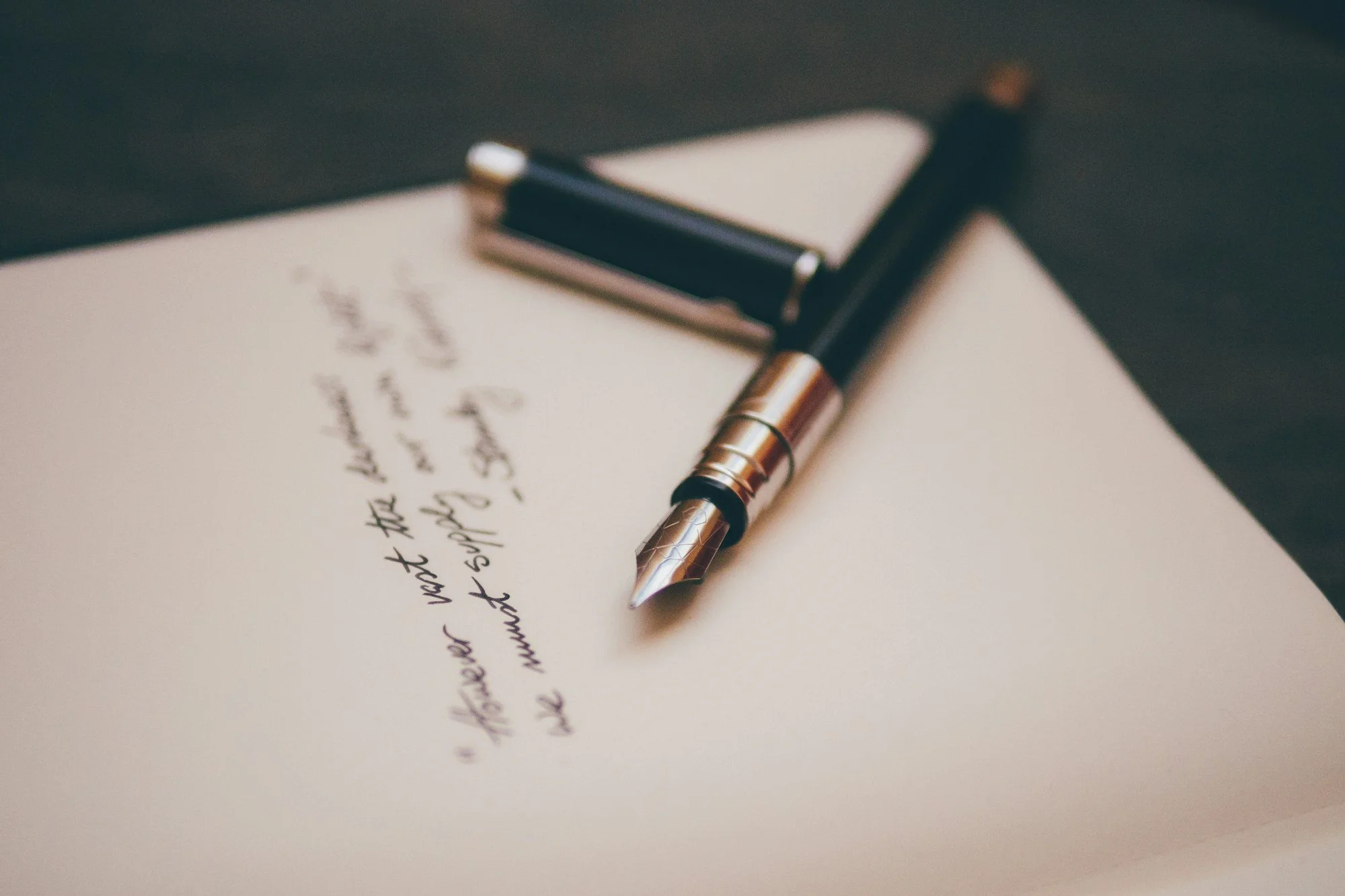
What you don't need
Stationery shops and social media make it easy to believe that you need a large collection before you can start. You don't. Some things are better left for later, or skipped completely:
Large sets of everything. Twenty colours of ink or fifty kinds of paper sound nice, but most people end up using two or three favourites.
Expensive pens right away. Start with an affordable pen and find out what you like. Some people love fountain pens, others always return to a simple gel pen.
Calligraphy tools. Beautiful lettering is a hobby of its own. Your normal handwriting is perfectly fine for a letter, and it is what makes the letter personal.
Perfect decorations. A letter that is sent is worth more than a perfectly decorated one that stays on the desk.
The best approach is to buy the basics, write a few letters and then add what you missed. After a month, you will know much better whether you want a fountain pen, a wax seal or simply more envelopes.
The best stationery is the stationery you actually use.
How to build your collection over time
Your stationery collection will grow with your letter writing. A few habits help to keep it useful:
Buy for a purpose. When you see beautiful paper, think about who you would write to on it. If no one comes to mind, it can wait.
Keep a stock of stamps. Without stamps in the house, a finished letter can easily wait for days before it is posted.
Collect what arrives. Letters you receive often come with ideas you can borrow: a nice envelope, a clever way to fold paper, a sticker you would like to find for yourself.
Use the good paper. Saving your favourite paper for a special occasion often means it is never used. Every letter is a good occasion.
Ready to write your first letter?
Once your stationery is ready, the next question is usually what to write. My guide on what to write in a letter helps with structure and ideas, and if you are writing to a pen pal, these pen pal letter ideas and pen pal questions are good companions. Looking for a gift for someone who loves post? Have a look at my gifts for snail mail lovers. And for a special kind of letter, you can also try writing a letter to your future self.
If you would rather receive a letter than write one, the Mail Club sends a letter from me every month, with art and small paper extras depending on the subscription.
Pick one person you would like to write to this week and choose the paper you will use for that letter.