Most people who search for how to slow down are not looking for a new aesthetic. They are tired. Their days run together, their weekends disappear into errands, and they keep promising themselves that things will calm down after the next deadline, the next holiday, the next month.
Slow living is often presented as a lifestyle with linen dresses, sourdough and a cottage in the countryside. That picture is pleasant to look at, but it puts the idea out of reach for anyone with a job, a commute, children or a city flat. In practice, slowing down in life is much more ordinary. It is a series of small decisions about pace, attention and how much you try to fit into one day.
This guide is for slow living beginners who want something practical. It covers what slow living actually means, the signs that you need to slow down, and concrete changes you can make at home, at work and in your week. If you are mainly thinking about the holidays, my guide to a slow, simple Christmas covers that season in detail. This article is about the rest of the year.
What slow living means
At its core, slow living means doing fewer things with more attention. It means choosing your pace instead of letting it be set by notifications, expectations and a full calendar.
That includes some things people expect, such as spending less time on screens and more time outside. It also includes less obvious ones: leaving gaps between appointments, eating lunch away from your desk, saying no to plans you do not want, and letting some days be uneventful.
Slow living does not require you to work less, earn less, move house or give up your ambitions. Plenty of people with demanding jobs live slowly in the ways that matter to them. What changes is how deliberately you use the time and energy you have.
Signs you need to slow down
You may recognise some of these:
You often reach the evening without remembering much of the day.
You eat, scroll and listen to something at the same time.
Free time feels like another list to get through.
You rush even when you are not late.
Small things irritate you more than they used to.
You feel restless when nothing is happening.
Rest only comes when you are ill or on holiday.
None of these is a disaster on its own. Together, they are a fairly clear signal that your pace has become unsustainable.
Start with your mornings
The first hour of the day sets the tone for the rest of it. If it starts with an alarm, a phone screen and a rush out of the door, the day usually continues in the same way.
You do not need an elaborate morning routine. Three changes make a noticeable difference:
Get up fifteen minutes earlier than you need to. This is the single most effective way to stop rushing first thing.
Keep the phone away for the first half hour. Use a separate alarm clock if the phone is your alarm.
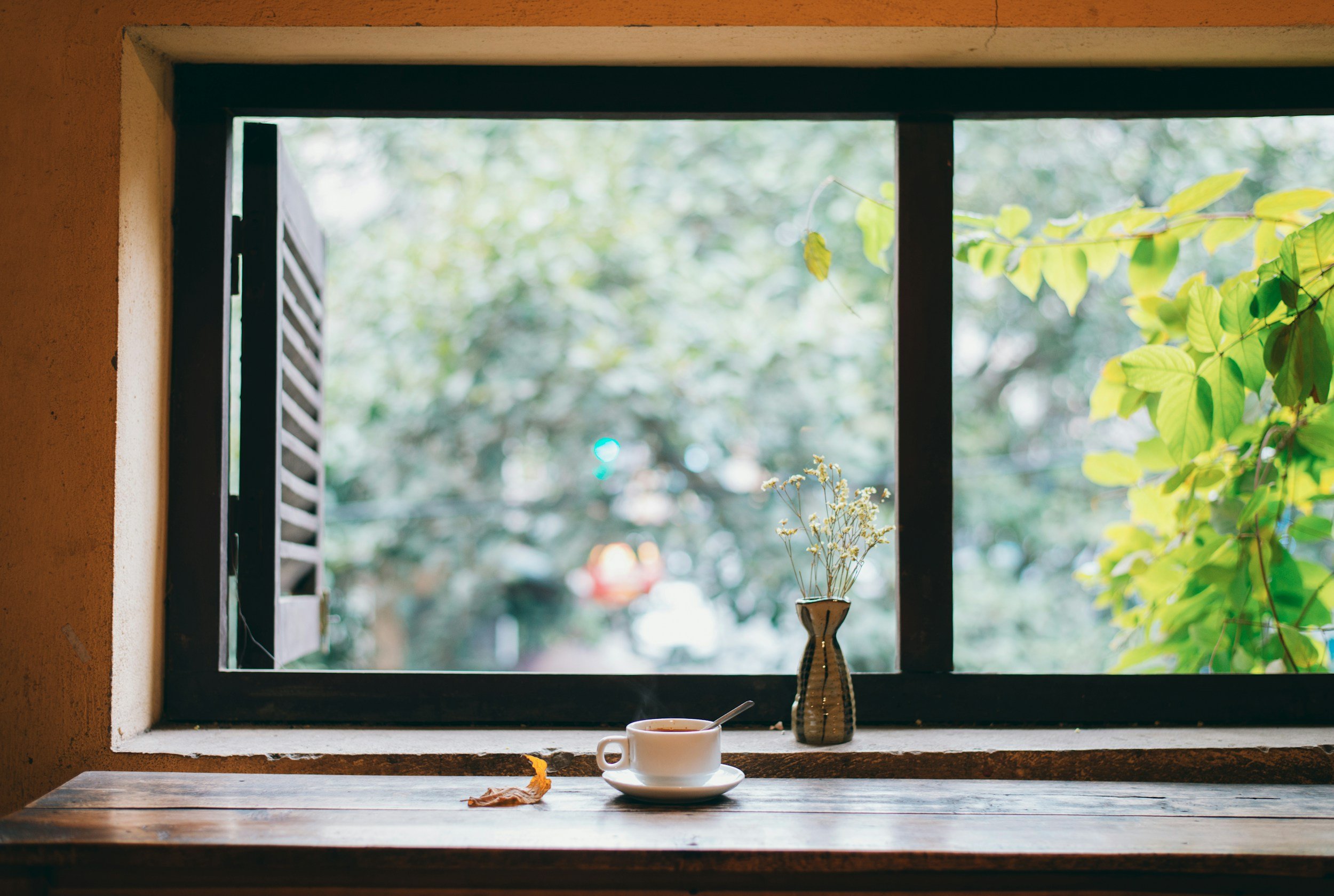
Do one thing slowly. Drink your coffee sitting down, by a window, without doing anything else at the same time.
Do one thing at a time
Multitasking feels efficient but leaves most people tired and scattered. Slowing down starts with single-tasking: one thing, then the next.
In practice, that might mean listening to a podcast only on walks, cooking without the television on, answering emails at set times instead of throughout the day, or reading a book without your phone next to you. It feels uncomfortable at first, because the brain is used to constant input. After a while, it becomes restful.
Leave space between things
Busy days often feel rushed because every activity runs straight into the next. A meeting ends at three and the next starts at three. You leave work and go straight to the supermarket and straight to a dinner.
Build buffers into your day. Fifteen minutes between appointments. A short walk between work and the evening. Arriving somewhere early and sitting for a moment. These gaps cost almost nothing and change how a day feels.
Look honestly at your commitments
Slowing down eventually means doing less, and that requires choosing what to drop.
Take your calendar for the past month and mark each commitment in one of three colours: things you valued, things that were fine and things you dreaded or resented. Then look at the next month and remove or postpone one item from the last group. Repeat next month.
Saying no gets easier with practice. A simple "Thank you for thinking of me, but I can't make it this time" is enough. You do not owe a long explanation.
Slow down the ordinary parts of the day
Much of slow living happens in tasks you do anyway. Instead of adding new rituals, change how you do existing ones:
Meals. Sit at a table, put the phone away and eat without a screen at least once a day.
Walking. Take the longer, quieter route when you are not in a hurry. Notice the street you live on.
Housework. Fold laundry with music on instead of rushing through it while thinking about the next thing.
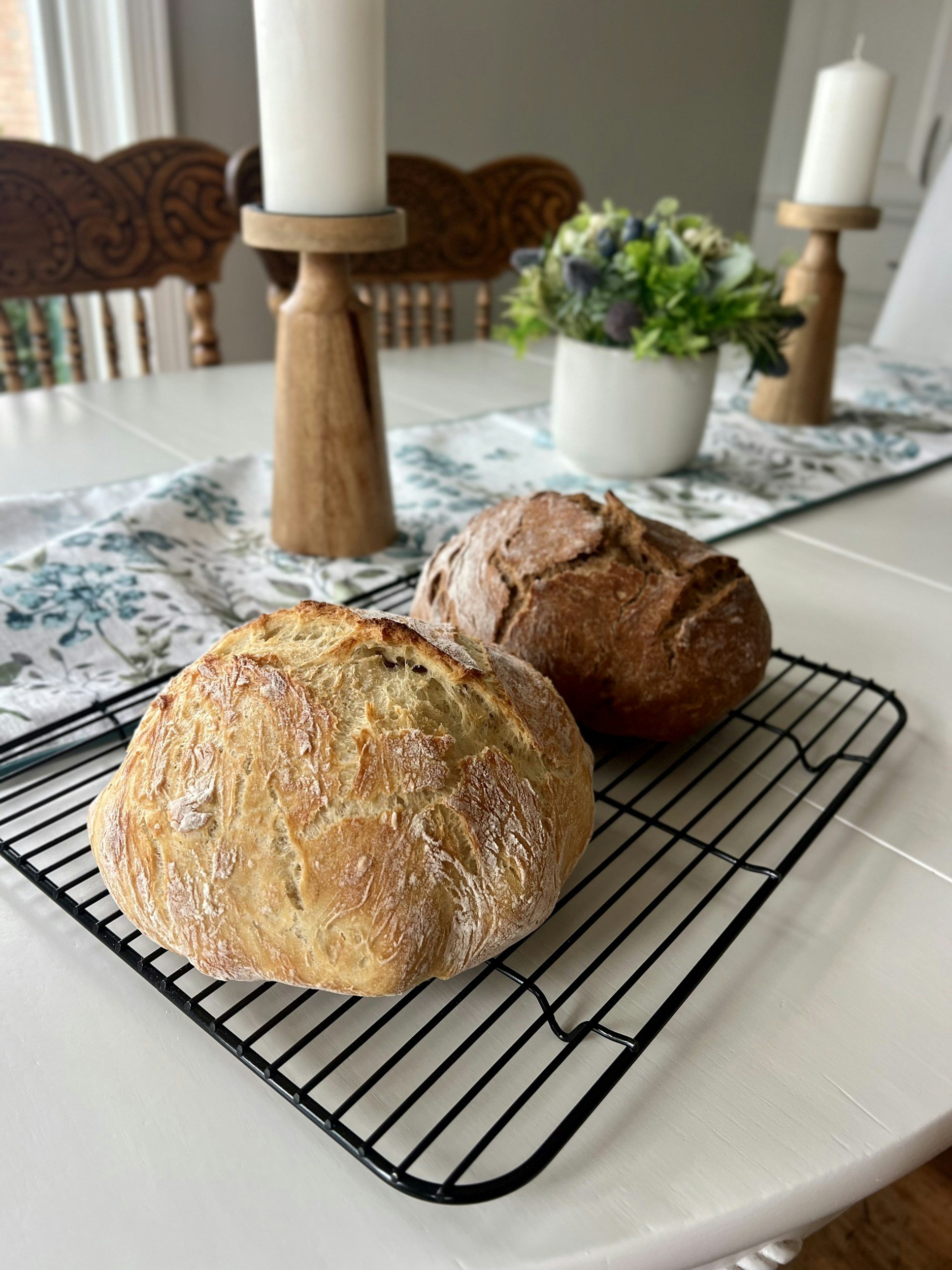
Cooking. Choose one meal a week that takes time: a soup, a stew, bread, anything that cannot be hurried.
Evenings. Let the last hour before bed be slower than the rest of the day: dim lights, a book, a bath.
My article on how to make an ordinary week feel special has more ideas in this direction.
Spend less time on your phone
It is hard to slow down while your phone pulls your attention away every few minutes. You do not need a dramatic digital detox. Small changes add up: notifications off for most apps, a fixed place for the phone at home, no screens in the bedroom.
For practical steps, see less screen time, more real life. If you would like to fill the freed-up time with something else, these offline hobbies and 50 things to do without your phone are full of ideas.
Give your week a rhythm
A slower life is easier when each week has a recognisable shape. That might be a slow Sunday morning, a fixed evening for friends, one evening at home without plans and one longer walk. Rhythm reduces decisions and gives you something calm to return to when life gets busy.
A short weekly reset helps too: twenty minutes on Sunday to look back at the week, clear the decks and decide what matters in the one ahead. The Sunday Pages in The Femme Space are free pages designed for exactly that, and The Offline Evening offers a structure for one screen-free evening a week. It is free when you join the newsletter.
Slow living at home
Your surroundings affect your pace more than you might expect. A home full of visual noise keeps your mind busy.
You do not need to become a minimalist. Start with one area: a clear kitchen counter, a bedside table with only a book and a lamp, a chair by the window that exists purely for sitting. Keep fewer things out, and give the things you love more room. Warm light in the evening, plants and natural materials make a home feel slower without any big project.
Slow living with a busy life
Slowing down looks different when you work full time, care for children or relatives, or juggle several jobs. In those seasons, slowing down means protecting small moments.
Ten minutes with a cup of tea before everyone wakes up. A walk on your lunch break. One evening a week when you do nothing productive. A weekend morning without plans. These are realistic, and they matter.
It also helps to plan rest into your week the same way you plan work. If you struggle with that, You Don't Have to Earn Your Rest is worth reading.
Common mistakes slow living beginners make
Turning slow living into a project. New routines, new products, new goals. If slowing down becomes another thing to optimise, it adds pressure.
Chasing the aesthetic. A perfect photo of a cosy corner says nothing about how your days feel, and that is what you are trying to change.
Changing everything at once. Pick one or two habits and give them a few weeks before adding more.
Feeling guilty on busy days. Some weeks will be full. Slow living is about your overall direction, and a hectic Thursday does not undo it.
Filling every free moment with self-improvement. Not every evening needs to be productive or meaningful. You don't have to make the most of every day, and some of the best slow moments are the most uneventful ones.
Questions to help you slow down
If you like writing things down, these questions can help you find where to start:
When did I last feel unhurried, and what made that possible?
Which commitment drains me most for the least return?
What would a slower Sunday look like for me?
Which part of my day feels most rushed, and what could change there?
What do I keep saying I will do "when things calm down"?
For more ways to begin a journal, see what to write in a journal when you don't know what to write. If you prefer guided exercises, my Journaling Companion is a 65-page digital guide and workbook for reflection throughout the year.
Slowing down rarely happens in one big step. It happens in the fifteen minutes you protect in the morning, the plan you decline, the walk you take the long way round. Start with one of them this week.
Free printable
A Soft Reset
A few gentle pages for when you need a little space to slow down. Simple reminders and quiet moments, with nothing you need to achieve.
You will find it in The Femme Space, my free library of printables. Join the newsletter, confirm your email and I will send you the password straight away.
Get the free printable