Most of us have someone we never properly thanked. A teacher who believed in us before we did, a friend who turned up on the worst day of the year, a grandmother whose kitchen was the safest place we knew. We think of them now and then, feel a rush of affection, and do nothing about it.
A gratitude letter changes that. It is a letter written for one reason: to tell someone what they did for you and what it has meant. There is no gift to acknowledge, no occasion to mark and no reply expected. That is exactly why it lands so well when it arrives.
This guide explains how to write a gratitude letter step by step, with phrases you can borrow and five complete example letters to different people. It works at any time of year, though the weeks around Thanksgiving are a natural moment to finally sit down and write one.
This post contains affiliate links. As an Amazon Associate, I earn from qualifying purchases at no additional cost to you.
What is a gratitude letter?
A gratitude letter is a personal letter that thanks someone for a lasting influence on your life. It differs from a thank-you note in one important way. A thank-you note responds to something specific and recent, such as a present, a dinner invitation or a favour. A gratitude letter looks further back and goes deeper: it names the difference a person made, often years later, and explains why it still matters.
The idea is well known in psychology. In a widely cited 2005 study led by Martin Seligman, participants who wrote a gratitude letter and delivered it in person to someone they had never properly thanked reported a clear boost in happiness that lasted around a month. You do not need a study to know it feels good, but it explains why the exercise is still recommended so often.

Who to write a gratitude letter to
Almost anyone who shaped your life in a positive way is a good choice. If you are unsure where to begin, consider:
A teacher, coach or mentor who saw something in you or pushed you at the right moment.
A parent or grandparent, for one specific thing they did that you still think about.
A friend who stayed through a difficult period or changed the way you see things.
A colleague or former boss who gave you a chance, taught you a skill or stood up for you.
A neighbour, doctor, nurse or stranger whose kindness you still remember.
Your partner or sibling, for the everyday things that are easy to overlook.
Someone who has died. A letter you never send can still be worth writing.
Pick the person whose name comes to mind first. Usually that is the letter you most need to write.
How to write a gratitude letter, step by step
1. Start with why you are writing
Begin by explaining that this letter is not tied to an occasion. A simple opening works best: "I have been meaning to write to you for a long time" or "Something reminded me of you this week, and I realised I never told you this." It prepares the reader and makes clear that nothing is wrong.
2. Describe what they did, specifically
This is the heart of the letter. Name a concrete moment, sentence or habit. "Thank you for always supporting me" is kind but vague. "Thank you for driving me to every early swim practice for three winters and never once complaining about the cold car" is a memory they can see.
3. Explain the effect it had on you
Tell them what changed because of it. Did it give you confidence, a career, a way of looking at the world, a habit you still keep? Connect the past moment to your life now. This is the part most people skip, and it is often the part the recipient reads twice.
4. Tell them what it means today
Bring the letter into the present. Where are you now, and how does their influence still show up? You might mention that you now do the same thing for someone else, or that you think of them every time you do a particular task.
5. Close warmly, without asking for anything
End with a sentence of affection or appreciation and sign off in your usual way. Avoid adding requests, news updates or questions that turn the letter into ordinary correspondence. The letter is complete as it is.
How long should a gratitude letter be?
One page is plenty. Somewhere between 200 and 400 words gives you room to be specific without drifting. If you find yourself writing four pages, you probably have several letters in you, and that is a good problem to have.
Phrases to help you start and finish
If the first line is the hardest, borrow one of these and make it your own.
Openings
"I have wanted to write this letter for a while, and today I finally sat down to do it."
"You probably do not remember this, but I think about it often."
"I was telling someone about you last week, and I realised I had never told you."
"This is not for any particular occasion. I just wanted you to know something."
Describing the impact
"Because of you, I…"
"I did not understand at the time how much that mattered."
"It changed the way I…"
"I still use what you taught me almost every day."
Closings
"Thank you for being part of my life in such an important way."
"I hope you know how much of you is still in what I do."
"With gratitude and a lot of love,"
"Thank you, truly. I will not forget it."
For more general help with letters, my guide on what to write in a letter has thirty ideas for when you do not know what to say.
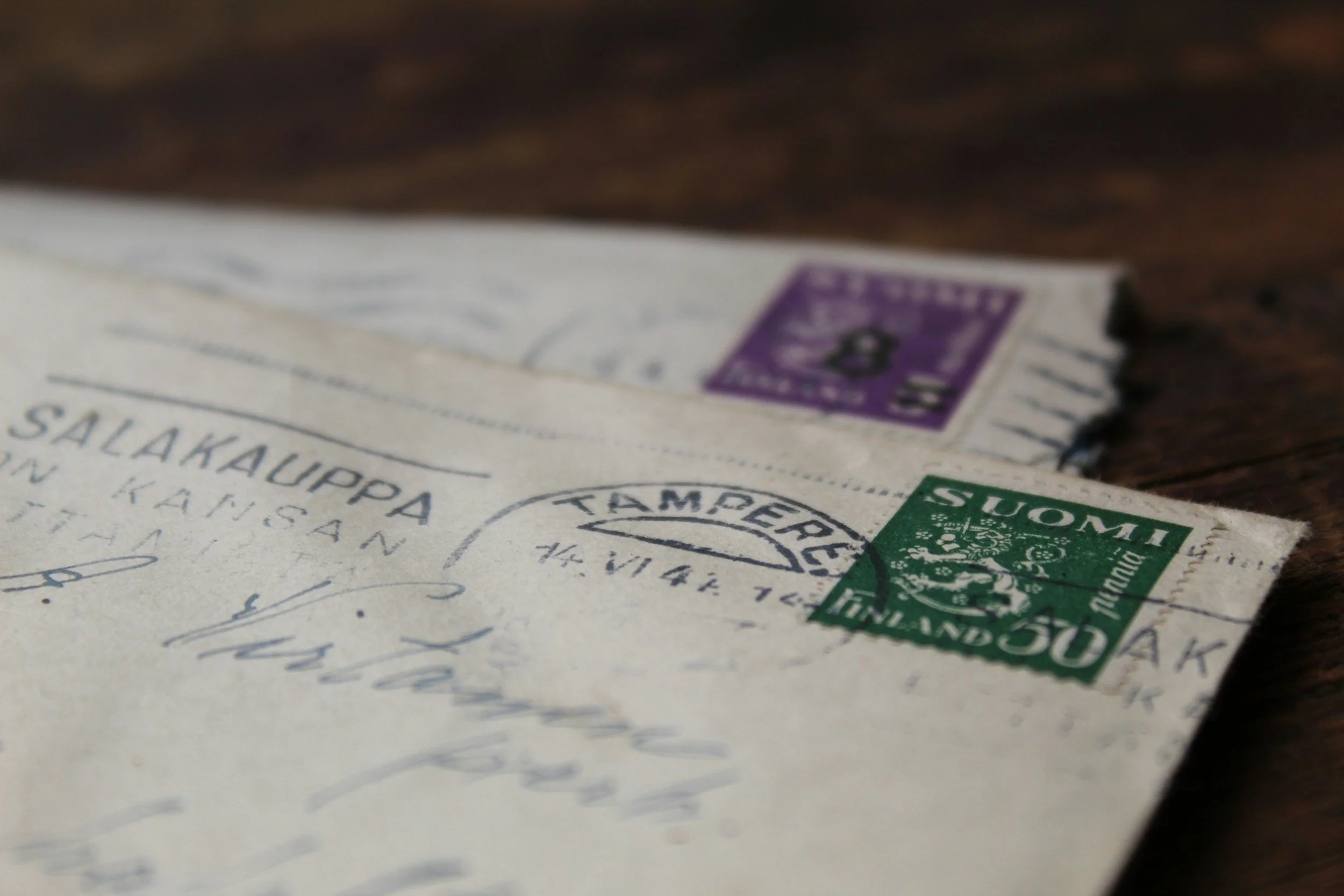
Gratitude letter examples
The examples below are written to be adapted. Replace the details with your own memories. The specific details make the letter yours, so do not leave them out.
Gratitude letter to a teacher
Dear Mrs Lewis,
You taught me English for two years, more than fifteen years ago, so I am not sure you will remember me. I was the quiet girl at the back who handed in essays that were far too long.
One afternoon you kept me behind after class. I was sure I was in trouble. Instead, you told me my writing was good and that I should stop apologising for it. You lent me two of your own books and asked me to tell you what I thought of them.
Nobody had ever asked me what I thought before. I read both books in a week and came back with a page of notes. You read every word.
I write for a living now. I still hear your voice when I am about to delete something because I am afraid it is not good enough. I keep it.
Thank you for noticing a quiet student and for taking her seriously.
With real gratitude,
Anna
Gratitude letter to a mother
Dear Mum,
This is not a birthday card or a Mother's Day card. It is just a letter, because I have been thinking about you.
When I moved into my first flat, you came for a weekend and filled my kitchen cupboards. You labelled the spice jars, left a recipe for your lentil soup on the fridge and put a twenty-pound note in the tea tin "for emergencies". I found it three months later, on a very bad week, and cried in the kitchen.
I did not say much at the time. I think I was trying to prove I could manage on my own. But that weekend taught me what looking after someone actually looks like. It is in small, practical things that nobody asks for.
I make your lentil soup every winter. I still keep money in the tea tin.
Thank you for all of it.
Love always,
Sophie
Gratitude letter to a friend
Dear Lena,
Do you remember the evening you turned up at my door with a pizza and a bottle of wine, two days after I lost my job? I had not told anyone how bad I was feeling. You had worked it out from one short message.
You did not try to fix anything. You sat on my floor, made me laugh about my terrible former boss and stayed until midnight. The next morning you sent me a list of three job adverts you thought I would like.
I applied for one of them. I have been there four years now.
I think about that evening whenever a friend goes quiet. It taught me to show up instead of waiting to be asked.
Thank you for being the kind of friend who reads between the lines.
All my love,
Mia
Gratitude letter to a former boss or mentor
Dear David,
It has been six years since I worked for you, and I wanted to say something I should have said when I left.
In my first month, I made a mistake that cost the team a client. I expected to be let go. You called me into your office, asked me to walk you through what had happened and then said, "Good. Now you know how that works. You will not do it again." Then you gave me the next project.
I now manage a team of my own. When someone makes a mistake, I try to do what you did: ask questions first, keep it in proportion and trust them again quickly. It works far better than anything I learned in a training course.
Thank you for giving me a second chance so early. It shaped the kind of manager I wanted to become.
Kind regards,
Rachel
Gratitude letter to yourself
Writing a gratitude letter to yourself can feel strange at first, but it is a useful way to acknowledge what you have handled. Write it as you would to a friend.
Dear me,
This year asked a lot of you. You changed jobs, looked after Dad through his operation and still remembered most birthdays.
Thank you for the evenings you went to bed early instead of pushing through. Thank you for finally asking for help in March. Thank you for going for walks when it would have been easier to stay on the sofa.
You did not do everything perfectly, and you did not need to. You did enough, and you did it with more patience than you give yourself credit for.
I am proud of you. Keep going.
Love,
Me
If you like the idea of writing to yourself, a letter to your future self is a lovely companion exercise.
Gratitude letters at Thanksgiving
Thanksgiving falls on 26 November in 2026, and the holiday is built around gratitude, which makes it a natural time to write one of these letters. A few ways to make it part of the day:
Post it a week ahead so it arrives before the holiday weekend.
Write short notes to everyone at the table and leave them at each place setting.
Read a letter aloud if the person is there and you are both comfortable with it.
Start a tradition of writing one gratitude letter every November, to a different person each year.
You do not need to celebrate Thanksgiving to borrow the idea. The end of the year, a birthday, an anniversary or a random Tuesday all work just as well. If you are journaling through the month, prompt 27 in my November journal prompts is a good starting point for choosing who to write to.

How to deliver a gratitude letter
By post. A handwritten letter in an envelope is the most personal option and the easiest for the recipient to keep. Good paper and a pen you like make the act of writing feel more considered. A vintage letter writing set (affiliate link) is a nice choice if you do not have stationery at home. (This is an affiliate link. As an Amazon Associate, I earn from qualifying purchases at no additional cost to you.)
In person. This is the version from Seligman's study: visit the person and read the letter aloud, then give it to them. It can feel awkward, but people often describe it as one of the most memorable conversations they have had.
By email. If the person lives far away or you have lost their postal address, an email is better than no letter at all. Write it in a document first so it does not feel rushed.
Not at all. If the person has died, or if contacting them is not possible or wise, write the letter anyway and keep it. Putting your thanks into words has value on its own.
Mistakes to avoid
Turning it into an apology. If you also owe someone an apology, write a separate letter. Mixing the two weakens both.
Writing about yourself for too long. Some context is good, but keep the focus on what they did.
Being too general. "You were always there for me" is true for many people. A specific memory is true only for them.
Expecting a reply. Some people will call you in tears. Others will say nothing for weeks because they do not know how to respond. Both are fine.
Waiting for the perfect wording. A slightly clumsy letter that arrives is better than a perfect one that stays in your head.
Make gratitude a habit
Writing one gratitude letter often makes people notice how many others they could write. If you want to build gratitude into your days, my gratitude journal prompts give you fifty questions to work with.
And if you enjoy sending letters, it is lovely to receive them too. The Femme Letter Mail Club is a monthly snail mail subscription with a personal letter and a small collection of paper goods in every edition.
Free printable
The Small Good Things
A gratitude practice for ordinary days: a week of evening prompts, a page for the people behind the good things and space for the days when gratitude feels out of reach.
You will find it in The Femme Space, my free library of printables. Join the newsletter, confirm your email and I will send you the password straight away.
Get the free printable