
It usually creeps in sometime after the clocks go back. You wake up in the dark, leave work in the dark and spend the hours in between wishing you were under a blanket. Plans that sounded fun in October now feel like too much. You are more tired, a bit flat and craving carbohydrates in a way that is hard to ignore.
If that sounds familiar, you are dealing with what many people call the winter blues. It is extremely common, especially in northern countries where daylight shrinks to a few hours. The good news is that small, regular changes make a noticeable difference. Here is what the winter blues are, when it might be something more, and fifteen ideas that help.
This post contains affiliate links. As an Amazon Associate, I earn from qualifying purchases at no additional cost to you.
What are the winter blues?
"Winter blues" describes the lower mood and energy many people feel during the darker months. Typical signs include:
feeling tired even after a full night of sleep
less motivation and a shorter fuse
wanting to stay at home and cancel plans
craving sweet or starchy food
a general heaviness that lifts on bright days
Less daylight affects the body clock, sleep and mood, which is why so many people feel different in winter. For most, the winter blues are uncomfortable but manageable, and they fade as the days get longer.
When it might be more than the winter blues
Seasonal affective disorder, often shortened to SAD, is a form of depression that follows a seasonal pattern. If low mood lasts most days for weeks, if you lose interest in things you normally enjoy, or if it affects your work, relationships or ability to look after yourself, please talk to your doctor. Those signs deserve proper support, and there are effective treatments. The ideas below can help alongside professional advice, never instead of it.
Quick winter blues check-in
- Did I get outside in daylight today, even for ten minutes?
- Did I move my body in some way?
- Did I talk to someone I like?
- Did I eat at least one proper meal?
- Did I do one thing just because I enjoy it?
- Am I going to bed at roughly the same time as yesterday?
15 ways to beat the winter blues
1. Get outside in the morning
Morning daylight is one of the most effective things you can give yourself in winter. Even on a cloudy day, the light outdoors is far brighter than indoor lighting. A ten- to twenty-minute walk before or on the way to work counts.
2. Bring more light indoors
Open the curtains fully, sit near the window when you work and keep rooms bright in the morning. Light therapy lamps are designed to mimic daylight, and many people use one for twenty to thirty minutes while they have breakfast or check emails. If you have an eye condition or take medication that makes you sensitive to light, check with your doctor first.
3. Keep a steady sleep rhythm
The urge to sleep longer in winter is real, but long lie-ins and late nights can leave you groggier. Try to go to bed and get up at similar times every day, weekends included. A sunrise alarm clock that brightens gradually can make dark mornings feel less brutal.
4. Move every day
Exercise lifts mood and energy, and it does not need to be intense. A brisk walk, a dance around the kitchen or a short yoga session all count. If you can combine movement with daylight, even better.
5. Eat in a way that keeps you going
Comfort food belongs to winter, and there is no need to give it up. Add warming meals with vegetables, protein and whole grains so your energy stays more even through the day. Soups and stews are perfect for this.
6. Plan small things to look forward to
The stretch between Christmas and spring can feel endless. Put small highlights in the calendar: a cinema evening, a dinner with friends, a day trip, a new book arriving. Anticipation is a mood lifter in itself.
7. Stay in touch with people
Winter makes hibernating tempting, and some cosy evenings alone are lovely. Still, isolation tends to make low moods worse. Keep at least one regular social plan each week, even if it is a phone call or a walk with a friend.
8. Make your home feel good
Warm lamps, candles, blankets and a tidy corner to read in change how evenings feel. My guide to a hygge home is full of ideas for this.
9. Build a cosy evening routine
Long evenings are easier when they have a shape. A bath, a cup of tea, a book and screens off an hour before bed help you wind down and sleep better.
10. Start a winter project
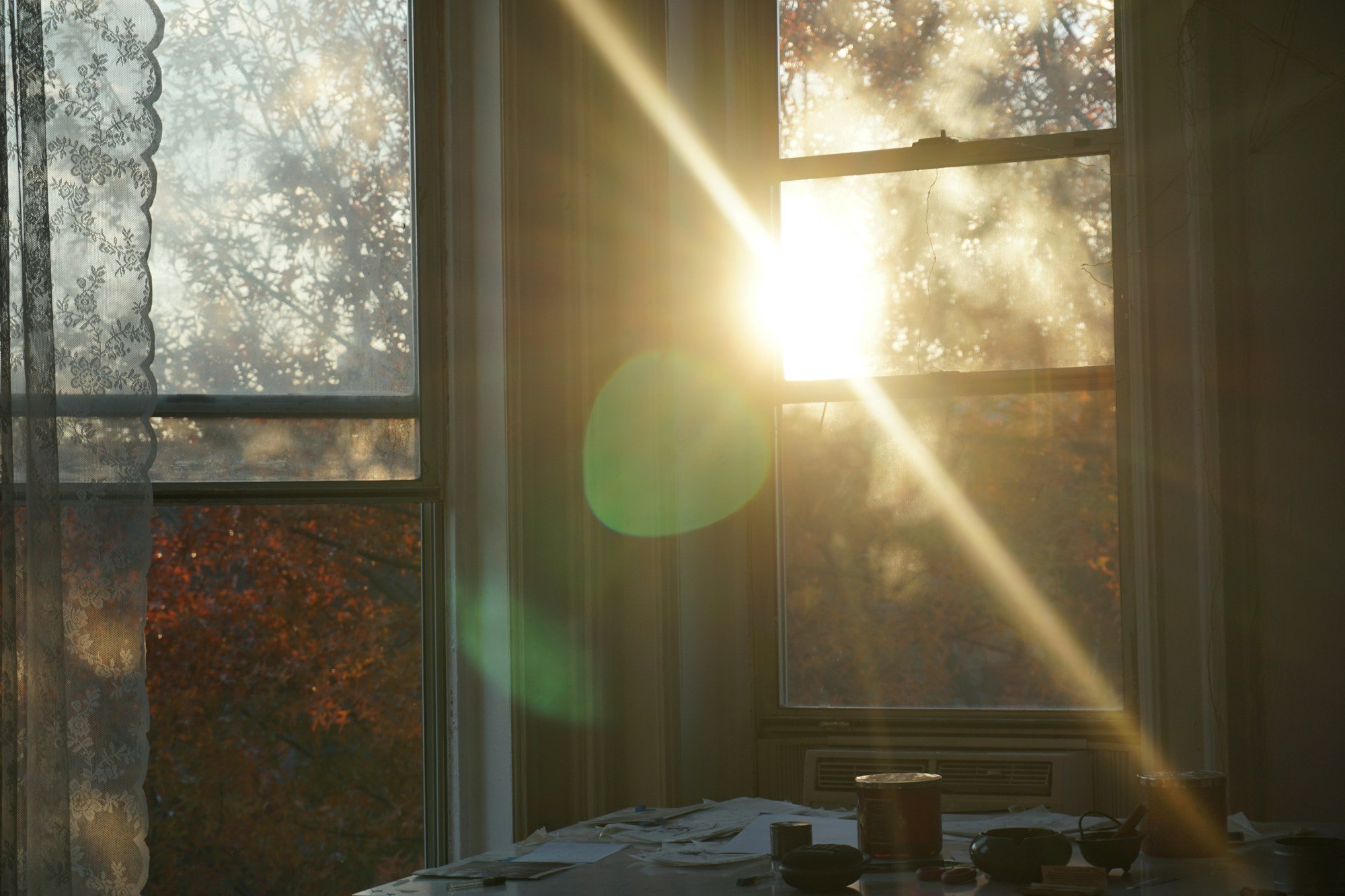
A hobby with a clear goal gives dark evenings a purpose: a jigsaw puzzle, a knitting project, a photo album, learning a language. Being absorbed in something is one of the best antidotes to a heavy mood.
11. Write it down
A few lines in a journal each evening help you notice patterns. Which days felt better, and what did you do on them? My winter journal prompts are a good place to start.
12. Go easy on alcohol
A glass of wine by the fire is lovely, but alcohol can disturb sleep and make low moods worse the next day. Alternate with herbal tea, hot chocolate or a warming non-alcoholic drink.
13. Embrace the season
Fighting winter makes it feel longer. Find what you can enjoy about it: frosty walks, candlelit dinners, thick socks, the first snow. My winter bucket list has plenty of ideas.
14. Lower the bar a bit
You may have less energy in winter, and that is normal. Plan fewer things, leave more space and do the most important tasks at the time of day when you feel brightest.
15. Look after yourself on purpose
Self-care matters more when the days are dark.
A simple winter day that helps
Put together, a good winter day might look like this: get up at your usual time, open the curtains, sit by the light lamp with breakfast, take a short walk at lunchtime, eat a warm dinner, spend the evening on something you enjoy and go to bed at a regular hour. None of these steps is dramatic, yet together they make a real difference to how winter feels.
Why January can feel even harder
For many people the lowest point comes after the holidays. December has lights, plans and time off. January has the same darkness without any of that, plus the return to work and often less money. Knowing this in advance helps. Keep a few plans for January and February in reserve, rather than front-loading everything into December, and be patient with yourself in the first weeks of the year.
How to support someone with the winter blues
If someone you love seems flatter every winter, small gestures help more than advice. Suggest a walk together in daylight, send a letter or a card in the post, cook them a warm meal or simply check in regularly. Listen without trying to fix everything. And if their low mood seems to go deeper, encourage them, kindly, to talk to their doctor.
Things that help on dark days
Light Therapy Lamp, 11,000 Lux
A compact daylight lamp with adjustable brightness and a timer, easy to keep on your desk or breakfast table.
View on Amazon(affiliate link)Sunrise Alarm Clock
Wakes you with light that brightens gradually, plus soothing sounds and a night light for the evening.
View on Amazon(affiliate link)Wearable Sherpa Blanket
An oversized sherpa hoodie for cold evenings on the sofa, warm enough to replace a blanket.
View on Amazon(affiliate link)Fuzzy Socks
Warm, fluffy socks for chilly floors and long evenings at home.
View on Amazon(affiliate link)
Choose two ideas from this list for the coming week, for example a morning walk and a regular bedtime, and see how you feel after seven days.
Free printable
The Gentle Reset
A gentle guide for the days when everything feels a little too much, with thoughtful pages to help you pause and come back to yourself.
You will find it in The Femme Space, my free library of printables. Join the newsletter, confirm your email and I will send you the password straight away.
Get the free printable