Most people who want to read more already own a pile of unread books. The problem is rarely a lack of interest. Reading simply loses the fight against the phone, the to-do list and the evening tiredness.
Reading more is mostly a question of habits and setting. Once a book is always within reach and there are a few fixed moments in the day for it, the pages add up almost by themselves. This guide collects 15 habits that help you read more books, ideas for getting out of a reading slump and a few things that make reading at home more comfortable.
This post contains affiliate links. As an Amazon Associate, I earn from qualifying purchases at no additional cost to you.
Why reading feels harder than it used to
If you read constantly as a child or a student and now struggle to finish a book a month, you are in good company. Attention gets pulled in many directions during the day, and by the evening a screen asks for less effort than a page. Reading also loses its place in the routine: there is no school reading list, no long commute without signal, no holiday where the book is the main entertainment.
The good news is that the ability does not disappear. It comes back once reading has a regular place in your day again. The first week may feel slow and distracted. Keep going, and after a while reaching for the book becomes as automatic as reaching for the phone.
15 habits that help you read more books
Make books easy to reach
Always carry a book. In your bag, in the car, on your phone as an e-book. Waiting rooms, train rides and queues add up to a surprising number of pages.
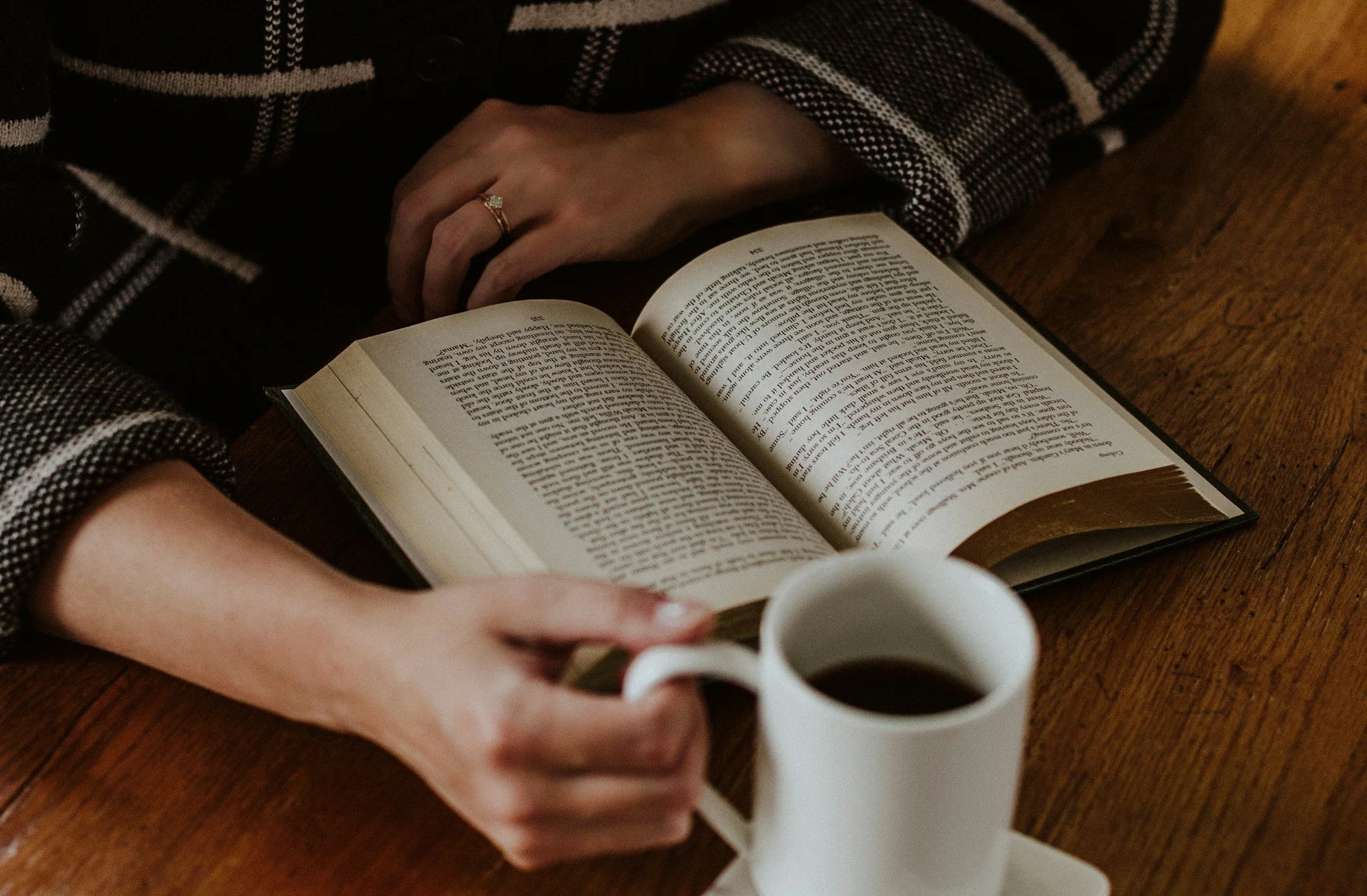
Leave a book where you usually pick up your phone. On the sofa, next to the kettle, on your bedside table.
Keep the next book ready. Choose your next read before you finish the current one, so there is no gap of several weeks between books.
Use an e-reader for the evenings. A backlit screen without notifications is easier to read in bed and lighter to carry than a hardback.
Try audiobooks for walks, housework and the commute. They count.
For reading anywhere
Amazon Kindle Paperwhite 16 GB (2024)
A 7-inch glare-free screen with adjustable warm light, so you can read in bed without a lamp and in bright sun on a bench. It holds thousands of books in a bag pocket.
View on Amazon(affiliate link)Slim Protective Case for Kindle Paperwhite
A lightweight cover that protects the screen in a handbag and folds back while you read.
View on Amazon(affiliate link)Neck Book Light
Worn around the neck, so both hands stay free for the book and a cup of tea. Useful for reading in bed when someone else is already asleep.
View on Amazon(affiliate link)
Give reading a fixed time
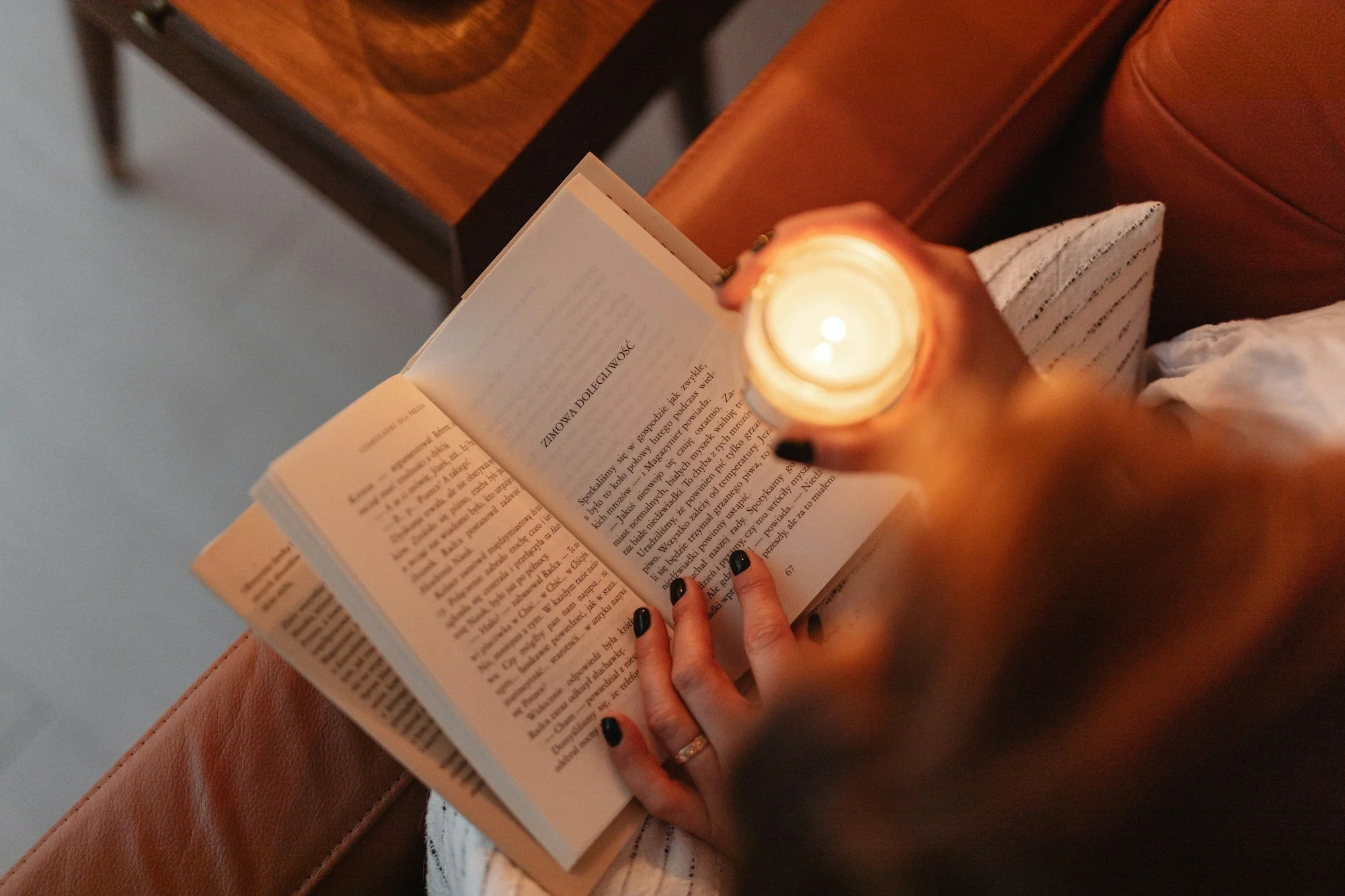
Read for ten minutes before bed. Ten minutes is easy to start, and most evenings it turns into thirty.
Swap the first scroll of the day for a chapter. Read with your morning coffee before opening any app.
Read during lunch at least once or twice a week.
Plan a reading afternoon on the weekend, with tea, a blanket and the phone in another room. On grey days, my list of things to do on a rainy day at home has more ideas for slow afternoons.
Keep your phone out of the bedroom. It is one of the most helpful changes for evening reading. My guide to less screen time has more ideas.
Choose books you actually want to read
Stop reading books you do not enjoy. Giving up on a book after 50 pages is allowed. Struggling through it for a month is the fastest way to stop reading altogether.
Read more than one book at a time. A light novel for the evening and a non-fiction book for the morning make it easier to always have something that matches your mood.
Go back to genres you loved as a teenager, whether that was fantasy, crime or romance.
Join a book club or start one with two or three friends. A shared deadline and a reason to talk about the book help more than any app.
Keep a reading journal. Write down every book you finish, a favourite quote and a few lines about how it made you feel. Watching the list grow is motivating.
For a comfortable reading corner
Reading Pillow with Armrests
A backrest pillow with arms and a soft filling that makes sitting up in bed or on the floor comfortable for much longer than a stack of cushions.
View on Amazon(affiliate link)Adjustable Book Stand with Page Clips
A rotating, foldable stand that holds a book open at the right angle on the table. Good for cookbooks, heavy hardbacks and reading during breakfast.
View on Amazon(affiliate link)Reading Journal
A guided journal for logging the books you read, with space for ratings, quotes and thoughts.
View on Amazon(affiliate link)

How to get out of a reading slump
Even regular readers go through phases where nothing feels right. These help:
Pick something short. A novella, a collection of short stories or essays. Finishing a book quickly rebuilds momentum.
Reread an old favourite. You already know you like it, and the familiarity is comforting.
Switch the format. If paper feels heavy, try an audiobook or an e-book, and the other way round.
Read somewhere new. A café, a library, a park bench, a bath.
Lower the goal. One page a day is still a habit. On hard days, opening the book is enough.
Remember more of what you read
Reading more books is a good goal. Remembering what you read is just as valuable. Underline sentences that stay with you, write a few notes in the margins or in a notebook, and talk about the book with someone afterwards. A short line in a journal, such as "what I want to remember from this book", turns a quick read into something that stays.
If you want to go further, How to Read a Book by Mortimer J. Adler and Charles Van Doren is the classic guide to active reading. First published in 1940 and later revised, it explains how to read different kinds of books with more understanding: How to Read a Book by Mortimer J. Adler and Charles Van Doren (affiliate link).
Writing about books also fits naturally into a journaling habit. My guide on how to find your journaling style has ideas for combining a reading log with other kinds of journaling.
How many books is enough?
Reading challenges with ambitious yearly targets can be motivating for some people and discouraging for others. If a number helps, choose one that is slightly above what you read last year. Ten books after a year of three is a big change. If numbers make reading feel like homework, skip them and track something else instead: the number of evenings you read, or the books you would recommend to a friend.
Pages per day are a more useful measure than books per year. Twenty pages a day, which takes most readers around half an hour, adds up to more than 7,000 pages in a year. That is around twenty average-length novels, without a single reading marathon.
Build a reading list that fits your life
A good reading list mixes different kinds of books, so there is always something that suits your energy. Try this simple structure for the next season:
One comfort read: a genre you already love and finish easily.
One classic you have always meant to read.
One non-fiction book about a topic you are curious about right now.
One recommendation from a friend, so you have someone to talk to about it.
One reread of a book that meant a lot to you years ago.
Write the list on the first page of a notebook or in a reading journal and cross books off as you finish them.
Small things that make reading more inviting
Reading is easier when it feels like a treat. A warm light, a blanket, a cup of tea and a bookmark you like are enough to turn ten minutes into a small ritual. Reading lights and pillows make the evening routine more comfortable, and a few things on the bedside table remind you to pick up the book before the phone.
The bookmarks in my shop were originally made for different editions of The Femme Letter. Each one is designed, printed and cut by hand, and you can choose one favourite or a set: The Femme Letter Bookmark Collection.
Audiobooks are worth a try if your days are full. Audible (affiliate link) works well for walks, cooking and cleaning. One audiobook a month adds twelve books to your year without taking time from anything else.
A simple plan for the next four weeks
Week 1: choose one book you are excited about and put it on your bedside table. Read ten minutes every evening.
Week 2: add a second reading moment, for example with your morning coffee or on the commute.
Week 3: start a simple reading list in your journal and write down your next three books.
Week 4: plan one longer reading session on the weekend and invite a friend to read the same book.
Pick your next book today and leave it where your phone usually lies tonight.